
27 May 2026
Maintenance teams have relied on manuals for decades. Whether printed or in PDF format, they’ve been the standard way to communicate service procedures, parts information and technical guidance.
But as machinery becomes more complex and operational pressures increase, many organisations are starting to question whether traditional documentation still supports technicians effectively in real-world environments.
Delays in identifying parts, interpreting diagrams or confirming procedures all contribute to longer repair times and increased unplanned downtime.
As a result, maintenance documentation is no longer just a reference tool; it is becoming a critical factor in operational efficiency.
Traditional manuals still play an important role. They provide:
For simple equipment or infrequent maintenance tasks, this approach can still be effective.
However, the challenge is not the availability of information, it is how easily that information can be used during a live maintenance task.
In practice, technicians often face several challenges when using traditional documentation:
These issues don’t just slow down individual tasks; they compound over time, increasing downtime and reducing overall maintenance efficiency.
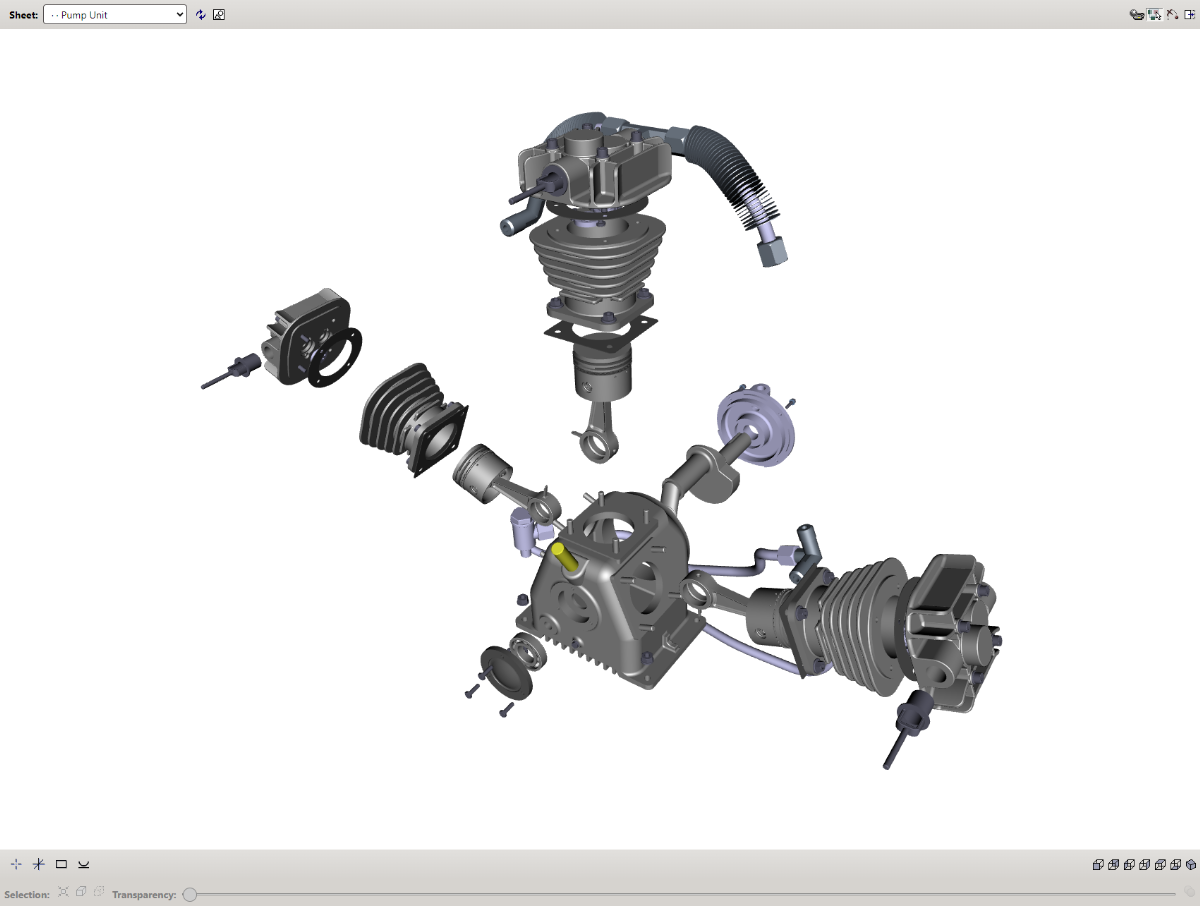
To address these challenges, many organisations are moving towards interactive 3D maintenance, sometimes described as a digital twin for maintenance.
Instead of relying on static diagrams, technicians can interact with a 3D model of the equipment and follow structured service procedures.
This represents a shift from documentation as reference to documentation as a working tool.
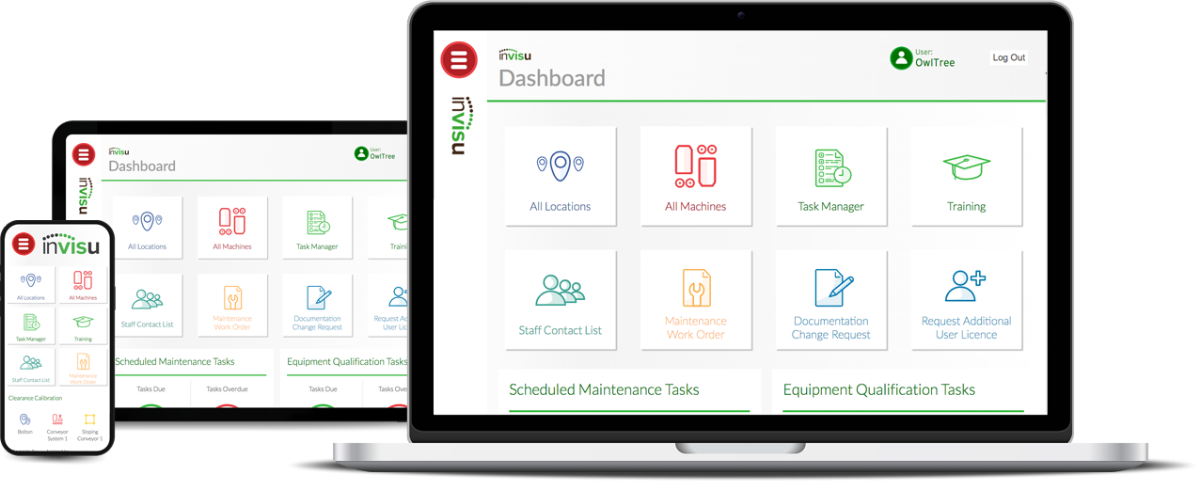
Invisu is an interactive 3D maintenance platform that converts engineering CAD models into guided service workflows.
Rather than replacing engineering data, it builds on existing CAD models and transforms them into practical maintenance tools.
Technicians can:
This allows maintenance tasks to be completed with greater clarity and consistency.
Traditional manuals rely on static diagrams that require interpretation.
Invisu provides interactive 3D models that allow technicians to see exactly how components fit together.
Traditional manuals present instructions as text.
Invisu structures maintenance into guided workflows, helping technicians follow the correct sequence of steps.
Traditional manuals separate parts lists from diagrams.
Invisu links parts directly to components within the 3D model, improving accuracy and reducing delays.
Traditional manuals often require time to navigate and interpret.
Invisu presents information in a more accessible format, helping technicians complete tasks more quickly.
Traditional manuals rely heavily on experience and interpretation.
Invisu supports visual learning, helping new technicians understand equipment and procedures more quickly.
Feature |
Traditional Manuals |
Invisu |
|---|---|---|
| Visual clarity | Static diagrams | Interactive 3D models |
| Maintenance guidance | Text-based instructions | Step-by-step workflows |
| Parts identification | Separate lists | Linked to 3D components |
| Ease of use | Requires interpretation | Visual and intuitive |
| Downtime impact | Slower diagnosis | Faster servicing |
Many of the delays that contribute to unplanned downtime are linked to how maintenance information is accessed and understood.
When technicians can:
they are able to diagnose and resolve issues more efficiently.
Interactive 3D maintenance platforms bring these elements together, helping organisations reduce the time equipment remains out of operation.
Not every organisation needs to replace traditional documentation entirely.
However, a shift towards interactive maintenance tools becomes increasingly valuable when:
In these environments, improving how maintenance information is delivered can have a measurable impact.
Maintenance documentation is evolving from static reference material into something more dynamic and usable.
As expectations around efficiency, training and uptime continue to increase, organisations are looking for ways to give technicians clearer, more practical tools.
Interactive 3D maintenance platforms such as Invisu are part of this shift, helping bridge the gap between engineering data and real-world service execution.
If you are reviewing how maintenance documentation is delivered within your organisation, it may be worth considering whether traditional manuals are still meeting your needs.
A combination of structured documentation, improved workflows and interactive tools can help maintenance teams work more efficiently and reduce unplanned downtime.