
24 November 2026
Digital technology has the potential to transform how industrial businesses manage maintenance information.
From interactive 3D instructions to digital documentation and maintenance management systems, there are more tools available than ever to help manufacturers improve the way they work.
But introducing new software doesn't automatically mean that maintenance becomes easier or more efficient.
The real value comes from how that technology is used.
Every manufacturing business has different maintenance challenges.
Some struggle with accessing technical information. Others rely heavily on experienced engineers who hold valuable knowledge that isn't always documented. Some have complex equipment that requires detailed instructions, while others want to provide better technical support to customers.
Before introducing new technology, it's important to understand where the difficulties lie.
What information do maintenance teams struggle to find? Which tasks regularly require additional support? Where could clearer instructions save time or reduce mistakes?
Answering these questions helps businesses identify where digital solutions can make a practical difference.
Manufacturers already hold a considerable amount of valuable engineering information.
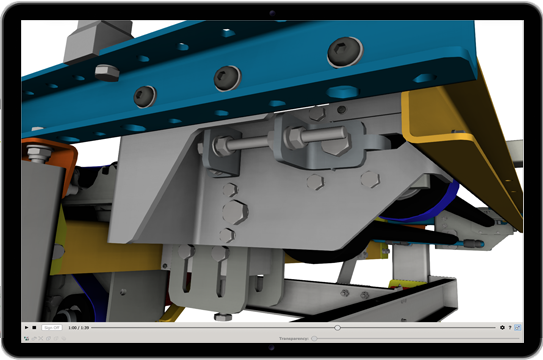
CAD models, Bills of Materials (BOMs), technical drawings and maintenance manuals all contain knowledge about how equipment is designed, assembled and maintained.
However, that information isn't always presented in a way that is useful to someone carrying out maintenance.
A CAD model, for example, may provide a detailed representation of a machine, but it doesn't necessarily explain how to complete a maintenance procedure.
Similarly, a technical manual may contain all the necessary instructions but still require someone to work through numerous pages to find the relevant information.
The opportunity is to make existing engineering information easier to access, understand and apply.
One of the biggest considerations in any digital project is how people will use the technology.
Maintenance engineers and technicians understand the practical challenges of working with equipment. They know which procedures are difficult, where information is missing and which tasks would benefit from clearer guidance.
Involving these people early helps ensure that digital solutions address real needs.
It also gives businesses an opportunity to capture valuable experience and knowledge that might otherwise remain with individual employees.
Technology works best when it supports established expertise rather than trying to replace it.
Not all engineering and maintenance software serves the same purpose.
CAD software is used to design and model equipment. Technical authoring tools help create detailed documentation and interactive technical content. Maintenance management systems support activities such as scheduling, asset records and work orders.
Interactive maintenance platforms have a different role, helping engineers and technicians access and use technical information when carrying out maintenance activities.
Understanding these differences is important when selecting a solution.
A business looking to create technical documentation may have different requirements from one that wants to provide its maintenance teams or customers with interactive instructions and parts information.
In some cases, different systems and technologies can complement one another rather than compete.
At Invisu, our focus is on making engineering and maintenance information easier to use.
Invisu Altus helps organisations unlock greater value from existing CAD data by converting engineering models into interactive 3D content, including maintenance procedures and parts catalogues.
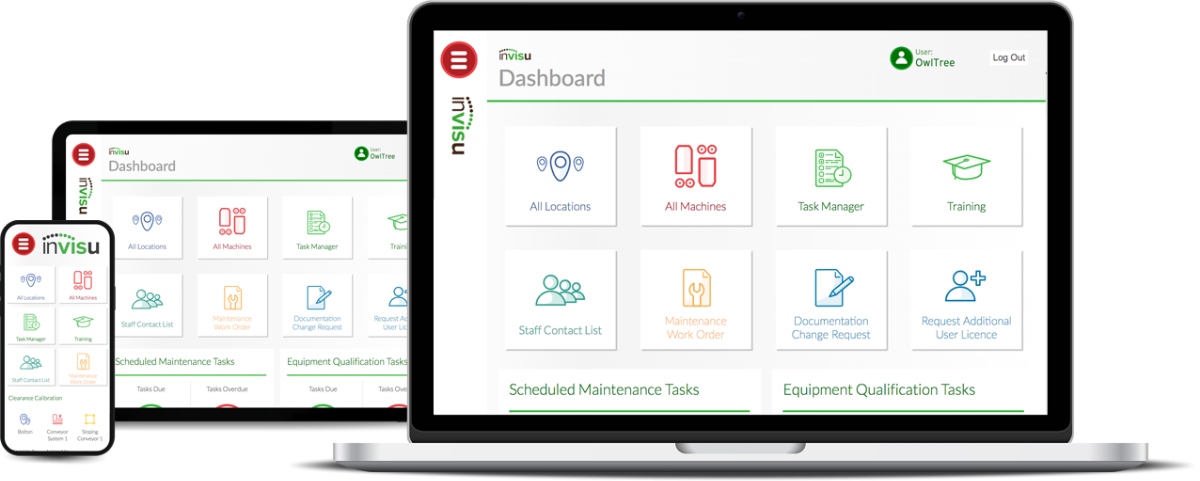
The Invisu platform provides an environment where interactive maintenance guidance, technical documentation and parts information can be made accessible to the people who need them.
For manufacturers, this can support internal maintenance teams. For original equipment manufacturers (OEMs), it can provide a more interactive way to deliver technical information and support to customers.
The aim is not simply to introduce another piece of software, but to make existing engineering knowledge more useful throughout the equipment lifecycle.
Successful digital maintenance projects don't necessarily need to begin with a major transformation.
Starting with one machine, one maintenance procedure or one recurring problem can provide a useful opportunity to understand what works.
It allows businesses to involve the people who will use the technology, gather feedback and assess whether it is making a difference.
As confidence grows, the approach can be extended to other equipment or processes.
The important thing is to measure success against the original problem, whether that's making information easier to find, improving training, reducing the time spent on maintenance tasks or providing better customer support.
Digital maintenance is about more than choosing the right software.
It requires an understanding of how people work, what information they need and how existing engineering knowledge can be made more accessible.
The most effective solutions bring together technology, information and practical experience.
Because ultimately, the success of a digital maintenance project isn't determined by how sophisticated the software is.
It's determined by how useful it is to the people who rely on it.
Discover how interactive 3D maintenance information can support your engineers, improve equipment servicing and reduce avoidable downtime.
";